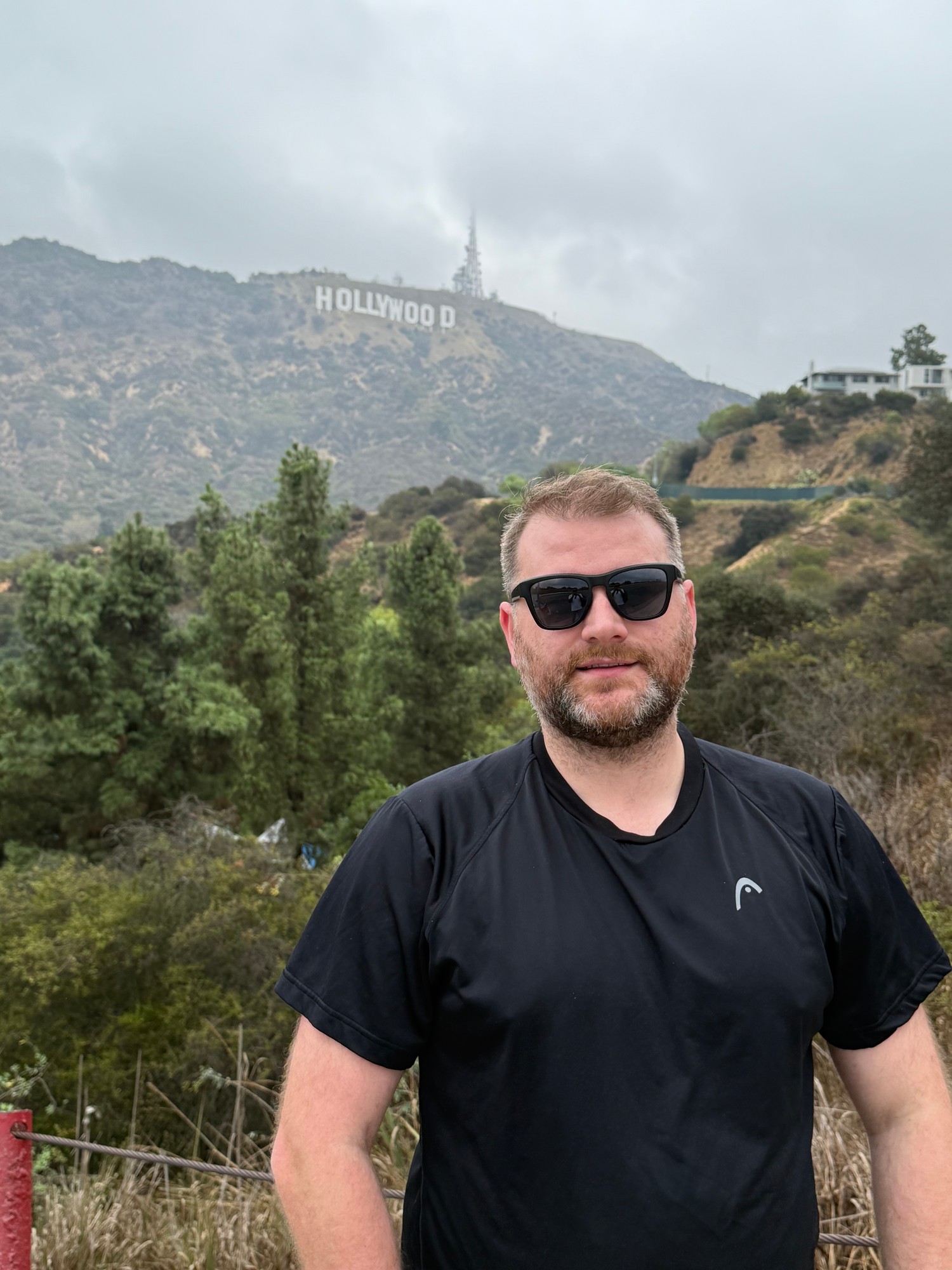
Los Angeles is the city people love to complain about, and I get it - it's huge, the traffic is real, and there's no walkable centre to speak of. But treat LA as eighty small cities instead of one big one and it completely changes: a hillside with a giant sign, an observatory on a ridge, a beach town that silvers into sunset every evening, and some of the strangest attractions in the country hiding in plain sight. This is my guide to getting LA right, plus a companion piece on the odd things to do in Los Angeles - the cemetery tours and curiosities most visitors skip.
The Hollywood Sign
The sign is the postcard, and the best way to see it is the way everyone does: from below, not from the trail above it. My pick is Lake Hollywood Park in the Hollywood Hills - the sign sits right above the trees, you don't need a strenuous hike to earn the view, and the park is a genuinely pleasant place to hang out for an hour:
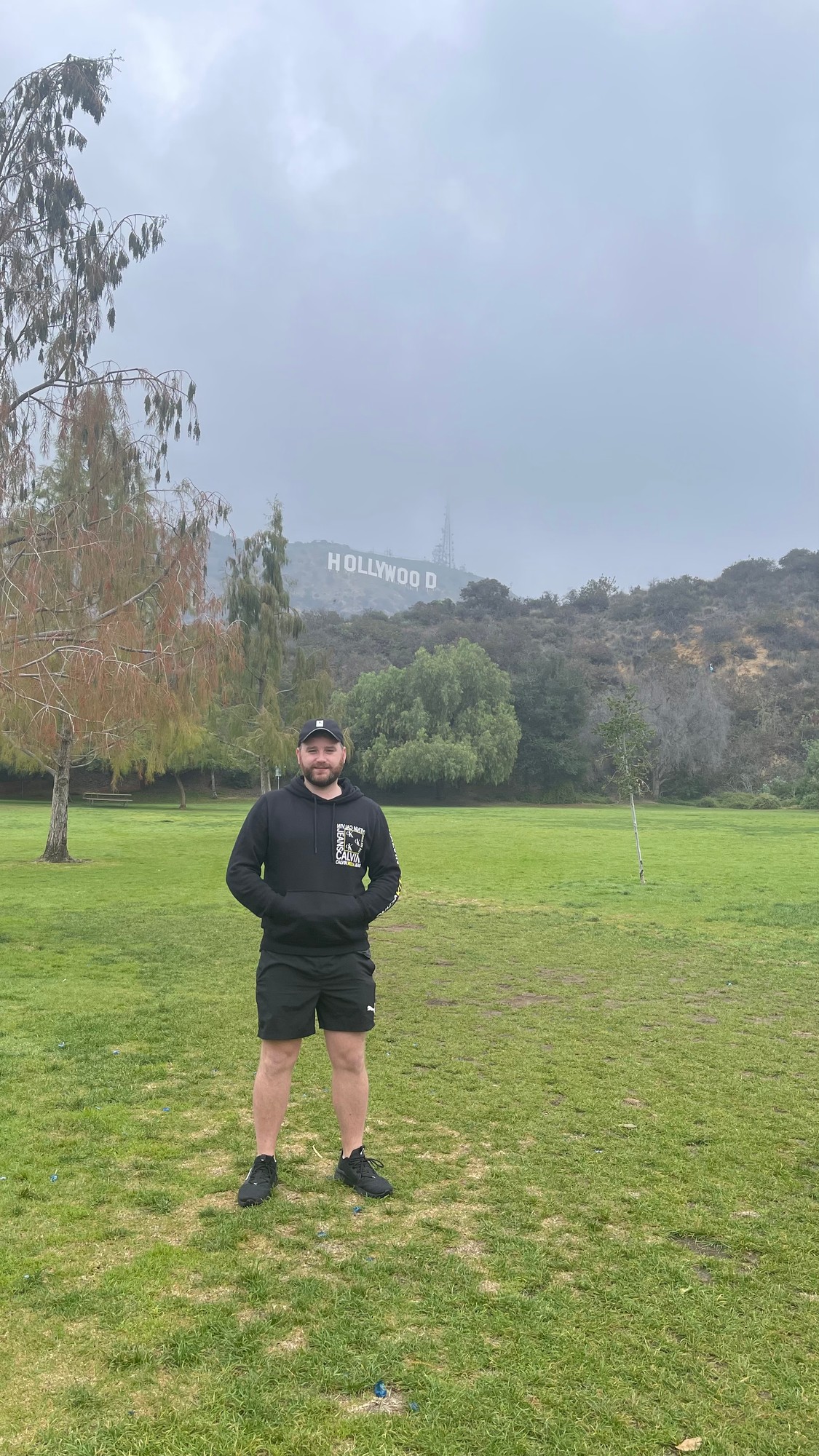
Even on a grey LA morning the sign reads perfectly:
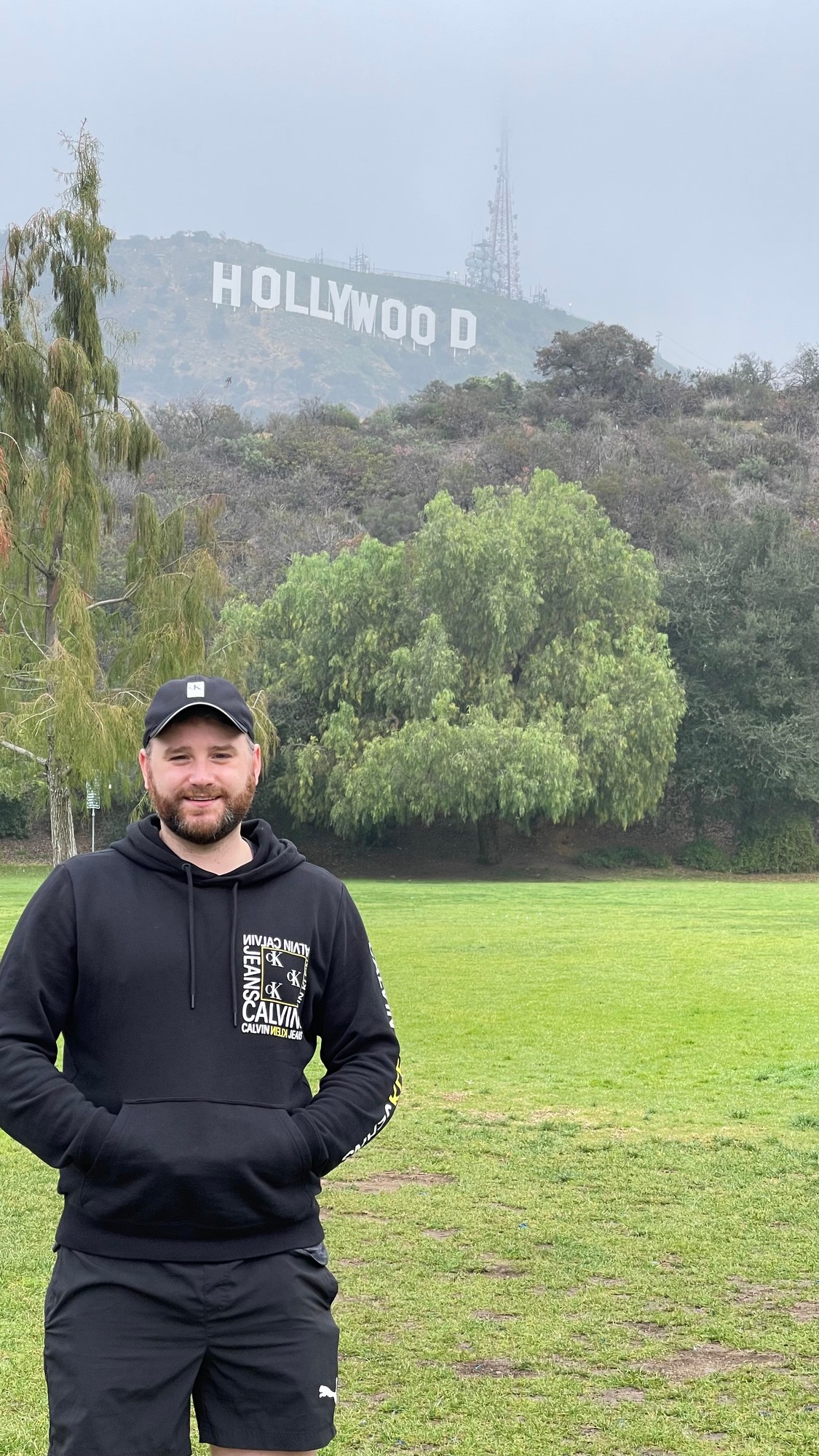
And another angle from the residential streets below it - honestly, half the fun is the hillside neighbourhoods you drive through to get there:
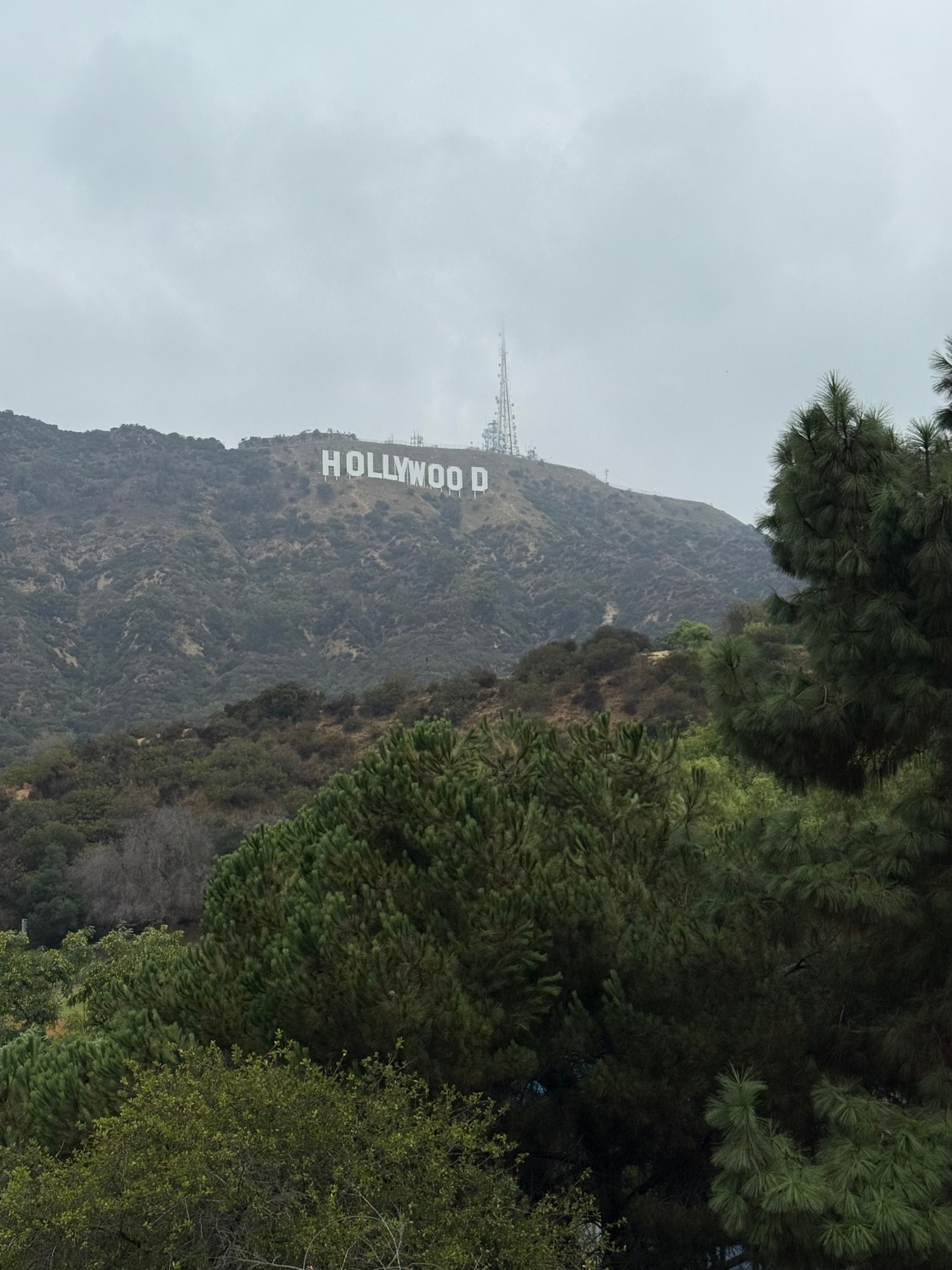
Practical note: the residential streets around the sign have strict parking rules and the locals are rightly fed up with tourists, so use the designated viewing spots rather than blocking someone's driveway for the photo.
Griffith Observatory
If you only do one LA attraction, make it this one. Griffith Observatory is free to enter, sits on the south face of Mount Hollywood, and serves up the best view in the city: the entire LA basin spread out below, the Hollywood Sign on the ridge to the west, and telescopes you can actually look through for free at night:
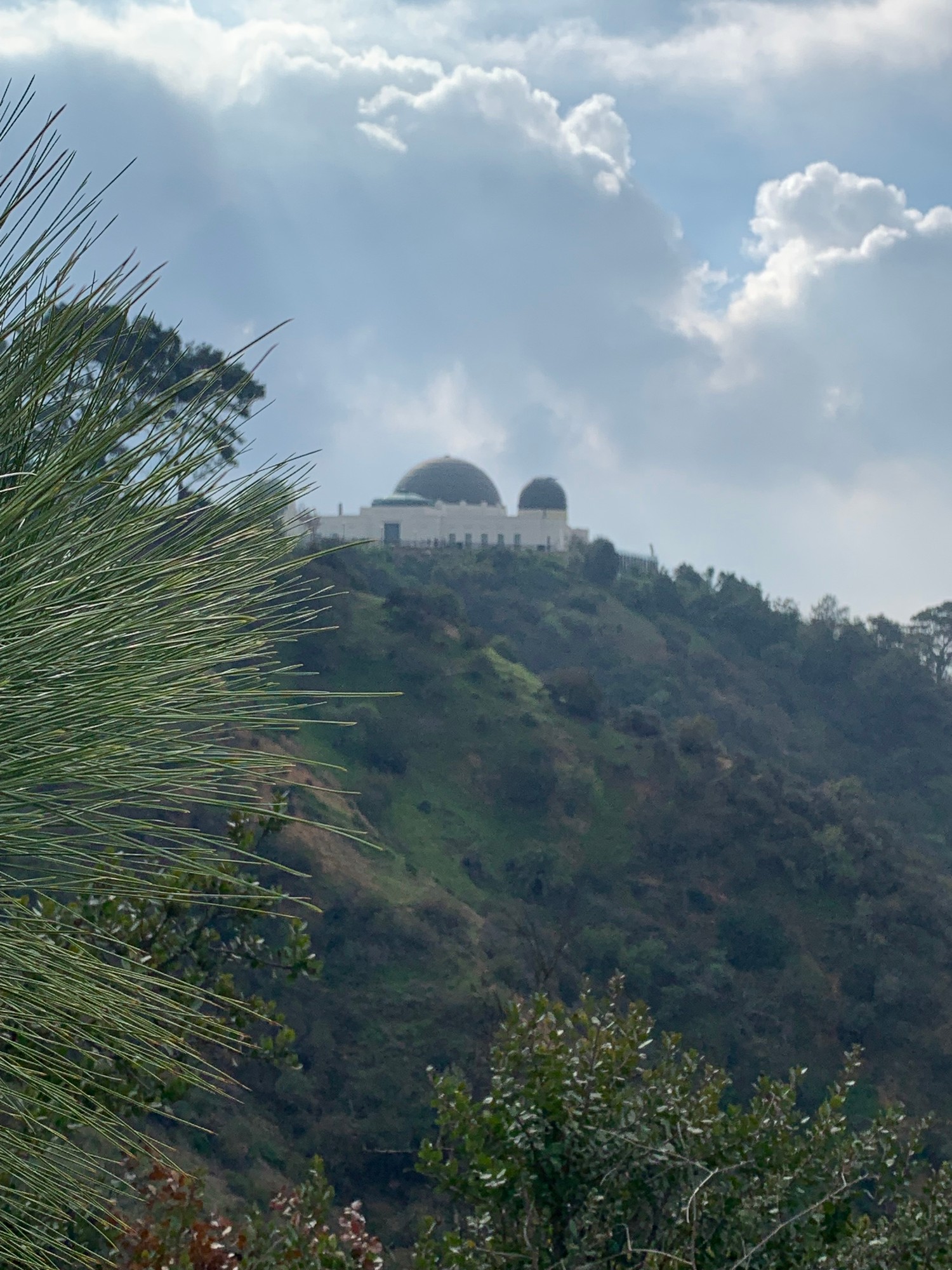
Go for sunset if you can - the city lights come on underneath you while the sky is still up. Parking up top is limited, so arrive early or take the DASH Observatory shuttle. Inside, the planetarium shows are a few dollars and worth it; outside, it's all view.
Hollywood Boulevard and the Walk of Fame
Yes, it's touristy, a bit grimy, and you'll be offered a dozen comedy-club tickets you don't want. Do it anyway, once: the Hollywood Walk of Fame is one of those things you should see in person to properly consign to the "done" list, and hunting down your favourite star among the 2,700 is genuinely fun. I found mine:
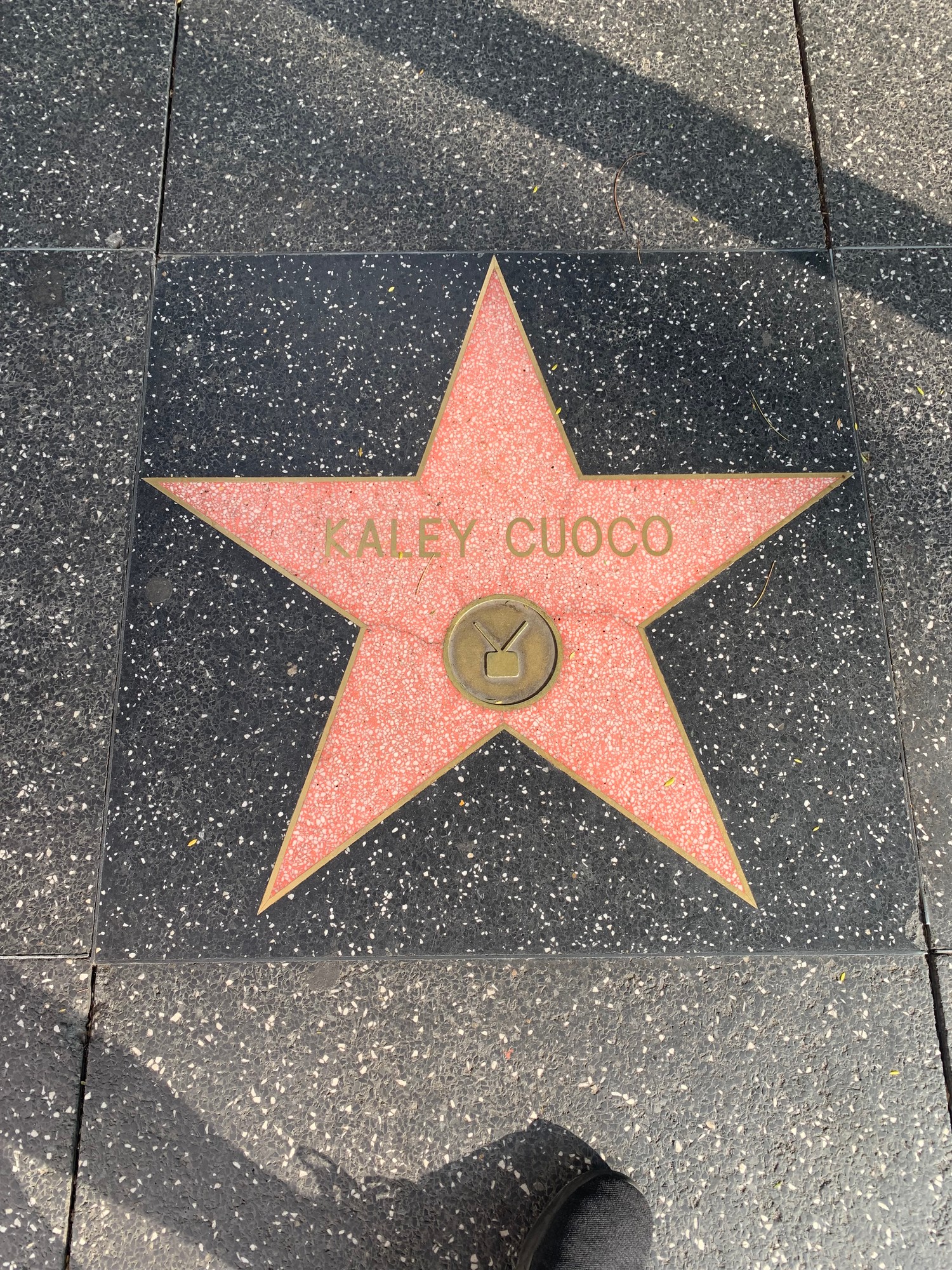
TCL Chinese Theatre is right there with the celebrity hand and footprints in the forecourt, and Dolby Theatre (home of the Oscars) runs backstage tours. An hour or two covers it - then get out.
LA's Neighbourhoods
The one-piece-of-advice that matters: pick two or three neighbourhoods per day and travel between them off-peak.
- Santa Monica and Venice - the classic beach day: the pier, the bike path down to Venice Beach, Muscle Beach and the skate park, and the calmer Venice Canals a few blocks inland
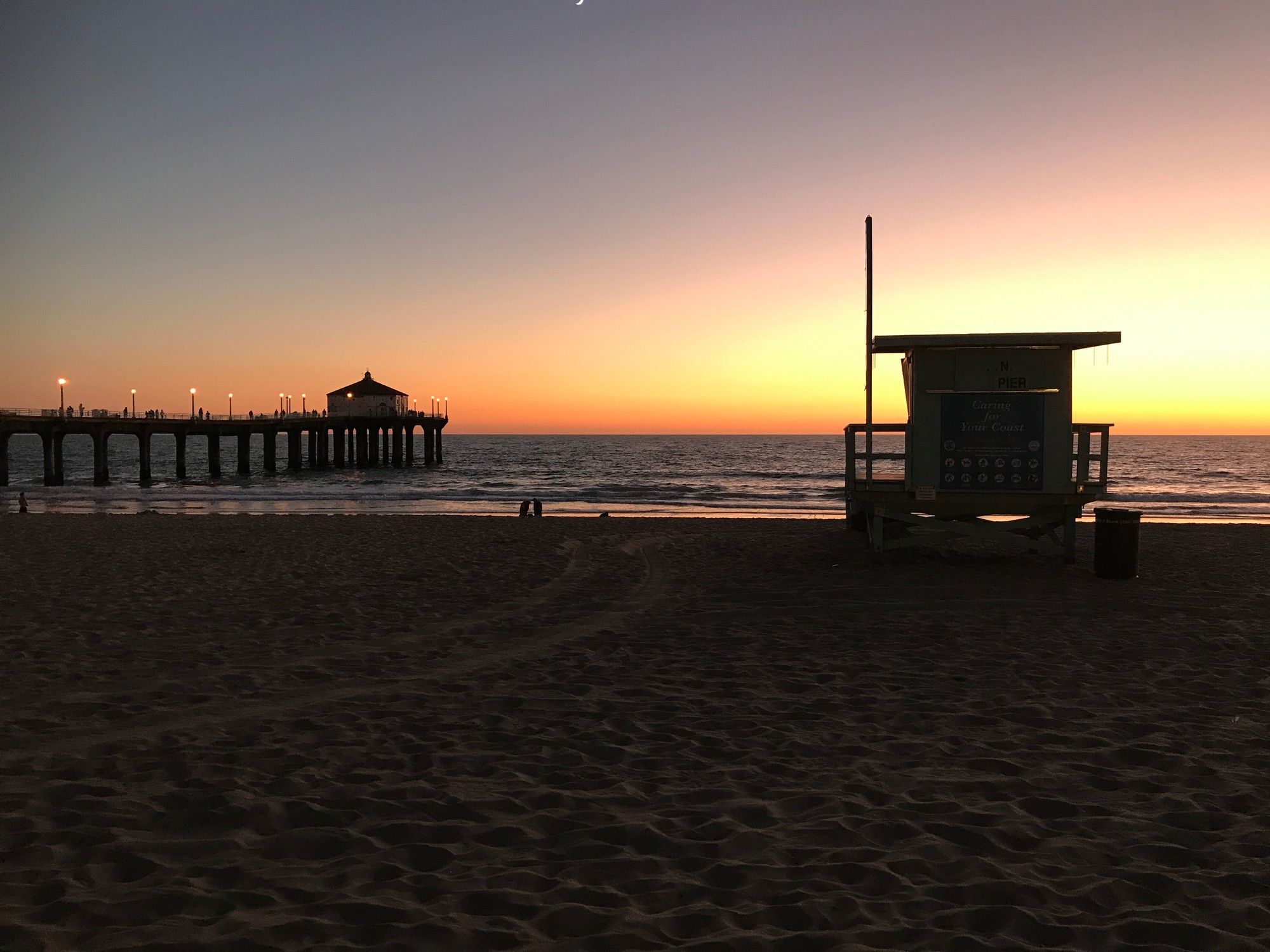
- Manhattan Beach and the South Bay - my quiet pick. Wide sand, a proper pier, beach volleyball everywhere, and sunsets that make you stop talking:
Newsletter
Get travel updates straight to your inbox
New guides, working holiday tips and honest advice from the road. No spam, unsubscribe any time.
- Downtown LA - the Bradbury Building, Grand Central Market, the Broad museum (free, book ahead), and the historic core around Spring Street
- Silver Lake and Los Feliz - the hip side of the hills: coffee, murals, the Sunset Junction strip, and the easiest base if you'd rather feel like a local
- Beverly Hills and West Hollywood - Rodeo Drive for the spectacle, Melrose for vintage shopping, and the Sunset Strip for the old rock-and-roll history
Getting Around Los Angeles
You will not escape this one: LA is a driving city. The metro exists and is improving (the B line subway to Hollywood works fine for tourists), but distances are too big and attractions too scattered to rely on it alone. Rent the car, but plan your driving outside of 7-10am and 4-7pm, or the city will eat entire afternoons.
Ride-shares work well for evenings - and if you're coming from San Francisco first, note that Waymo operates in LA too, and I'd use it over Uber or Lyft every time.
When to Go
LA's weather is famously boring in the best way - sunny and mild almost always. Spring and autumn are ideal; summer brings the heaviest tourist crowds and the occasional marine-layer "May Grey/June Gloom" along the coast; winter is mild with a small chance of proper rain.
Plan Your Visit
- How long: three or four days for the highlights, a week if you're adding theme parks
- Where to stay: Santa Monica for the beach, Hollywood for sightseeing access, Silver Lake or Los Feliz for character, Downtown for value
- Getting in: LAX is the main airport and it's a slog - allow an hour+ to get out of it; Hollywood Burbank is smaller and closer if your fares work out
- Theme parks: Universal Studios Hollywood is in the city, Disneyland is an hour away in Anaheim - they're different trips, don't try both in one day
- Budget: LA runs at big-city prices for hotels, but the best things - Griffith, the beaches, the hikes, the observatory - are free
Final Thoughts
Los Angeles rewards a plan and punishes a list: you can't "do" LA like you do New York, and the people who enjoy it most are the ones who pick a handful of neighbourhoods and let the rest go. Get the sign, get the observatory at sunset, eat well, and drive sensibly - then dig into the strange side of the city with my odd things to do in Los Angeles guide.
Building a California trip? Start with the California Travel Guide or the San Francisco Travel Guide, and keep reading with Salvation Mountain and East Jesus.
More World Travel Guides
- California Travel Guide: San Francisco, Yosemite, Napa and the Coast
- San Francisco Travel Guide: The Golden Gate, Alcatraz and the Hills
- Nashville Travel Guide: Broadway, Honky-Tonks & More
- Florida Travel Guide: Theme Parks, Beaches & Keys
Newsletter
Get travel updates straight to your inbox
New guides, working holiday tips and honest advice from the road. No spam, unsubscribe any time.
Enjoying the guide?
There are plenty more where that came from: honest guides from every corner of Australia and beyond.